We’ve all seen it: the mysterious hospital wristband selfie captioned with “Please pray for me” and nothing else. No explanation. No context. Just enough bait to make you pause mid-scroll, sigh dramatically, and wonder if you should comment, “What happened?!”, knowing full well that’s precisely the point.
This little social-media stunt even has a name: vaguebooking. It’s the fine art of being deliberately cryptic online to stir up curiosity, sympathy, and engagement without ever delivering the whole story. Think of it as emotional clickbait, except instead of an article you regret reading, it’s your cousin Rita fishing for likes at 2 a.m.
Now, don’t get me wrong. Sometimes people don’t want to share all the details, and that’s perfectly fair. But there’s a difference between privacy and performance. A person quietly dealing with a real crisis doesn’t usually tease their suffering like a season finale cliffhanger. Vaguebooking, on the other hand, thrives on suspense, dangling half-stories like, “Some people should be careful who they cross… that’s all I’ll say 👀.”
Here’s the psychology of it: the vaguebooker fully expects their post to explode with comments, private messages, and endless affirmations, basically a flood of digital handholding. When it works, they bask in the glow of “OMG are you okay?” validation. But when it doesn’t? When the comments are light, the likes are scarce, or the audience scrolls past? The vaguebooker spirals. What was meant to prove their importance instead highlights their irrelevance. Cue the follow-up post, usually even vaguer, even needier, or dripping with bitterness about how “you really find out who cares about you.”
And it’s not just the crisis teasers. There’s also the “something big on the horizon, keep me in your thoughts” crowd. These individuals are dropping hints about promotions, projects, or “life changes” without explicitly stating what’s actually happening. What they’re really looking for is validation of their potential. They want applause before they’ve even taken the stage, likes and “You’ve got this!” comments that reassure them they’re destined for greatness. It’s not about sharing news; it’s about securing a fan club in advance.
Then we have the IYKYK (if you know, you know) offenders. Here’s a thought: if your post is targeted at a select group of people, then maybe just… send it to them. Why make the rest of us stop mid-scroll and rack our brains wondering what inside joke or secret you’re dangling in front of us? Nine times out of ten, I don’t know, and, spoiler alert, I don’t care. Your coded messages aren’t mysterious; they’re exclusionary. Social media is already noisy enough without cryptic winks to your private club.
The whole routine feels so adolescent, like they never actually left the high school bathroom where the “cool kids” whispered their secrets in front of everyone else to feel superior. Only now they have swapped stalls for status updates.
And here’s the bigger problem: social media is stunting, if not outright reversing, the maturity of grown adults. People who should know better are playing the same teenage games of cryptic hints, selective cliques, and fishing for validation. The teasers, the vague “big news coming” declarations, the IYKYK winks, it’s all the digital equivalent of passing notes in class and hoping someone asks what it says. Except these are people with mortgages, jobs, and families, acting like their newsfeeds are a homeroom popularity contest.
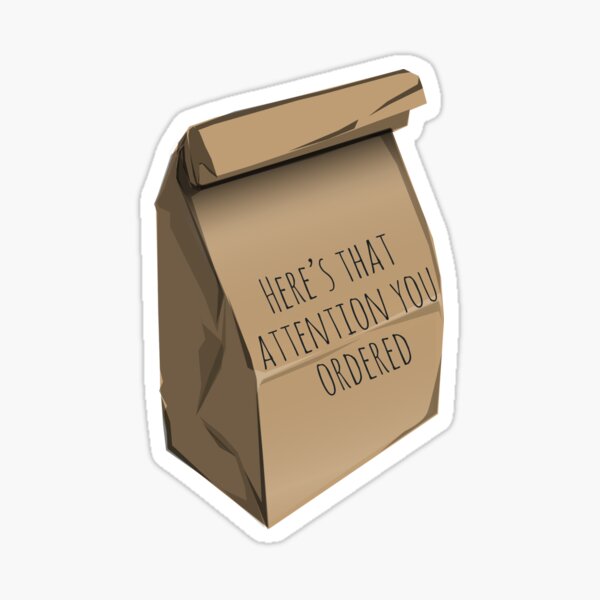
Let’s call it what it is: an unhealthy need for attention dressed up as mystery. Social media has turned personal struggle into a commodity, something to dangle just enough of, so people will rush in with “Are you okay?” and “Sending love!” The less you say, the more comments roll in. It’s the oldest marketing trick in the book, only instead of a product, the brand is you.
And here’s the kicker: if you really need prayers, support, or help, your friends and family will gladly rally around you, no theatrics required. You don’t need to breadcrumb them into begging for details. Just say what’s going on, or say nothing at all.
So the next time you see a hospital-bed selfie, or a “big news coming soon” teaser with no follow-up, don’t take the bait. Scroll past. Because vaguebooking isn’t a cry for help or even a celebration-in-progress, it’s a cry for attention. And attention, like clickbait, is better left ignored.

 The Creative Quill
Leave a comment