
-
Not so fortified
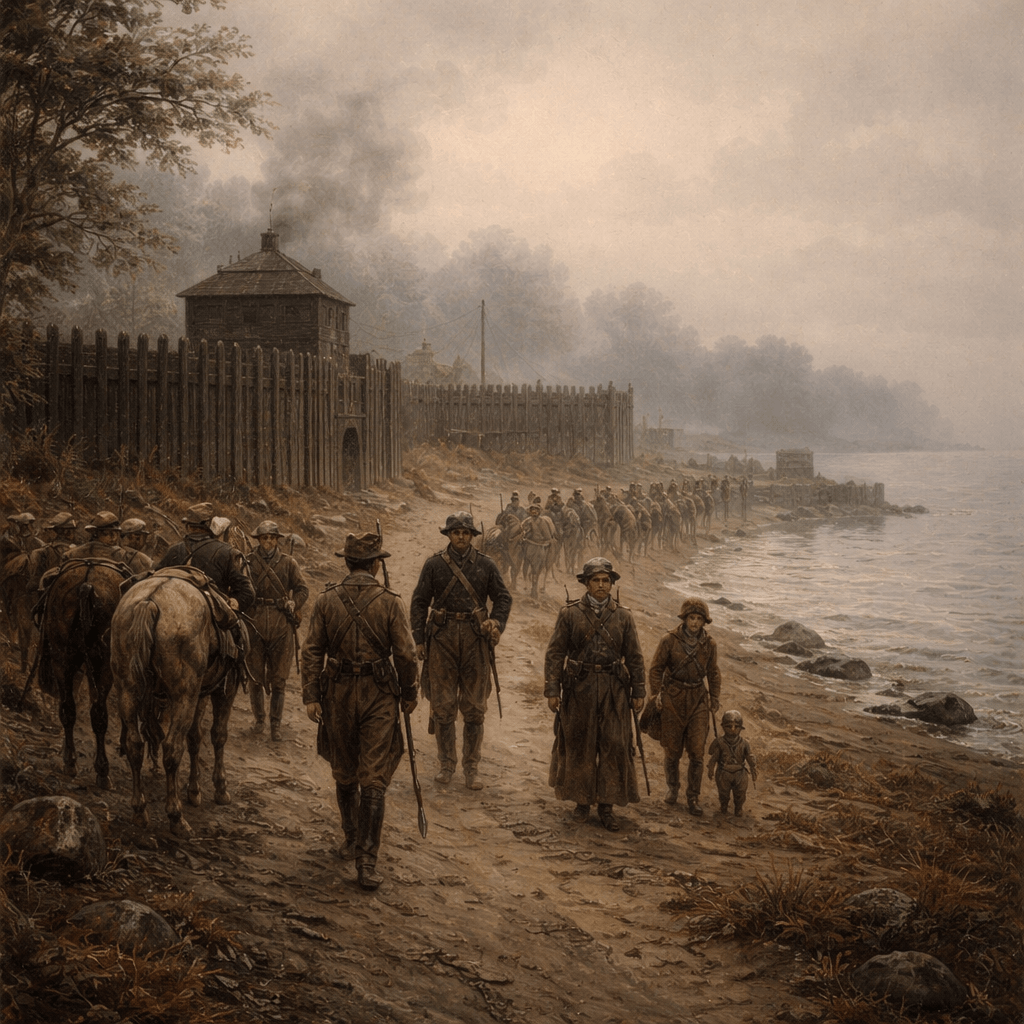
After DuSable left, Chicago didn’t rush to replace him. The river held. The marsh waited. Then certainty arrived wearing uniforms and orders, and the land answered the only way it knows how, by withdrawing. Fort Dearborn did not fail loudly. It failed quietly, and everything changed. Continue reading
-
Setting down roots
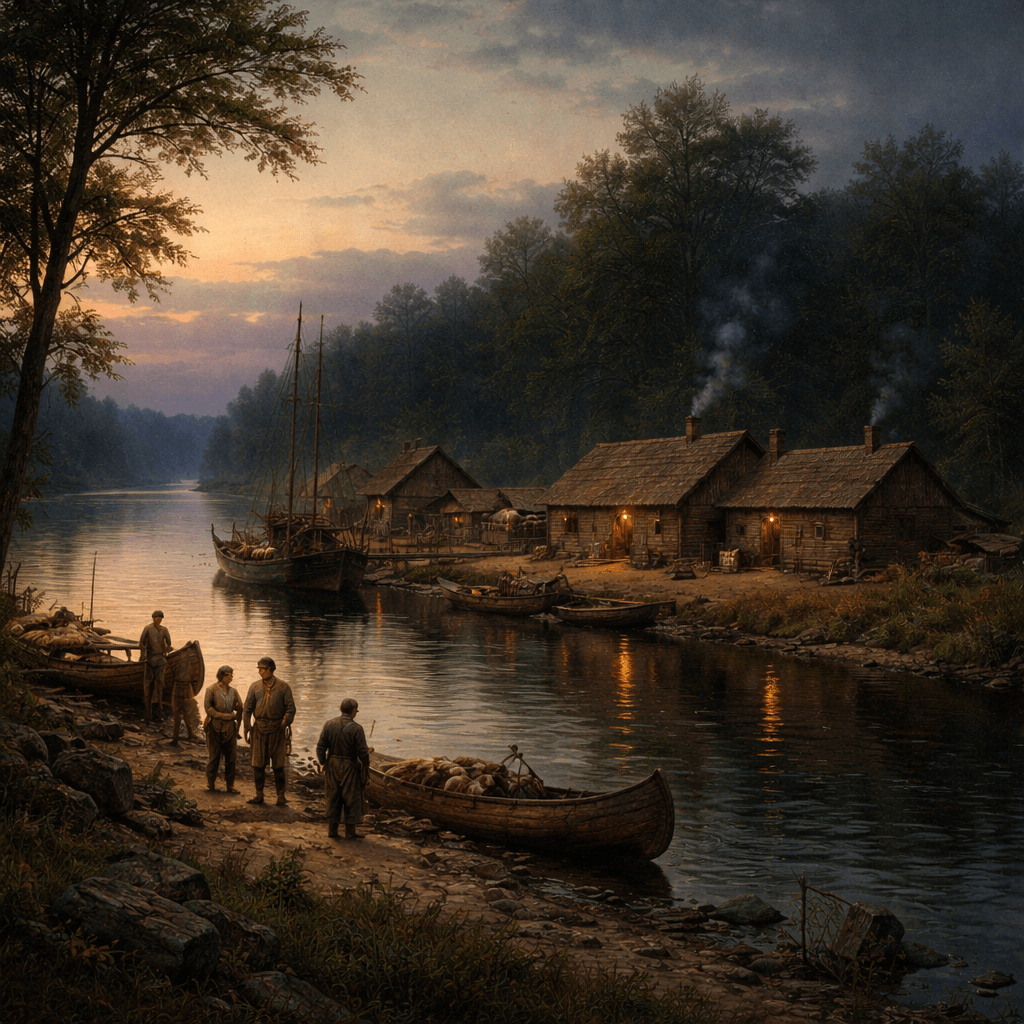
While empires passed through Chicago, Jean-Baptiste Point DuSable stayed. This chapter traces how patience, work, and relationships shaped Chicago’s first permanence, and why what followed would challenge everything he quietly built along the river. Continue reading
-
The one who stayed

While empires passed through Chicago, one man stayed. This chapter explores Jean-Baptiste Point DuSable not as a monument, but as a quiet presence who listened, built, and belonged, proving that permanence in Chicago came from patience, not power. Continue reading
-
The Quiet Refusal
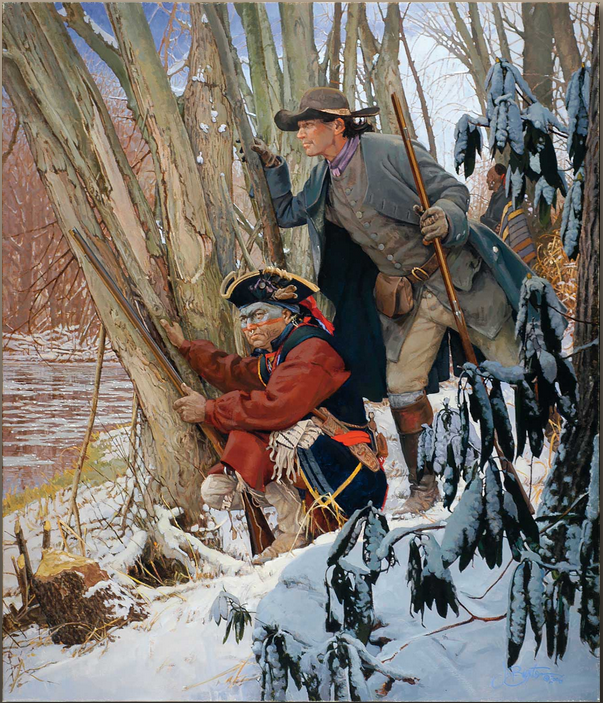
After the French withdrew and the British assumed control, Chicago did not erup, it withdrew. Pontiac’s War unfolded here through silence, refusal, and tightened trust, as the land resisted authority that arrived without listening and quietly prepared for what would come next. Continue reading
-
When Silence Became a Warning (Part II)

Chicago never felt the war as thunder. It felt like an absence: familiar voices gone, routes fallen quiet, promises no longer arriving. When the fighting elsewhere ended, the marsh did not celebrate. It waited, emptied and alert, holding space for whatever would step into the silence next after the storm. Continue reading
 The Creative Quill